
Myths About Off-Roading: Debunking Common Misconceptions


Understanding Off-Roading: Separating Fact from Fiction
Off-roading has long captivated enthusiasts who crave adventure and the thrill of exploring uncharted territories. However, there are numerous myths surrounding this exhilarating activity. In this post, we'll debunk some of the most common misconceptions about off-roading.
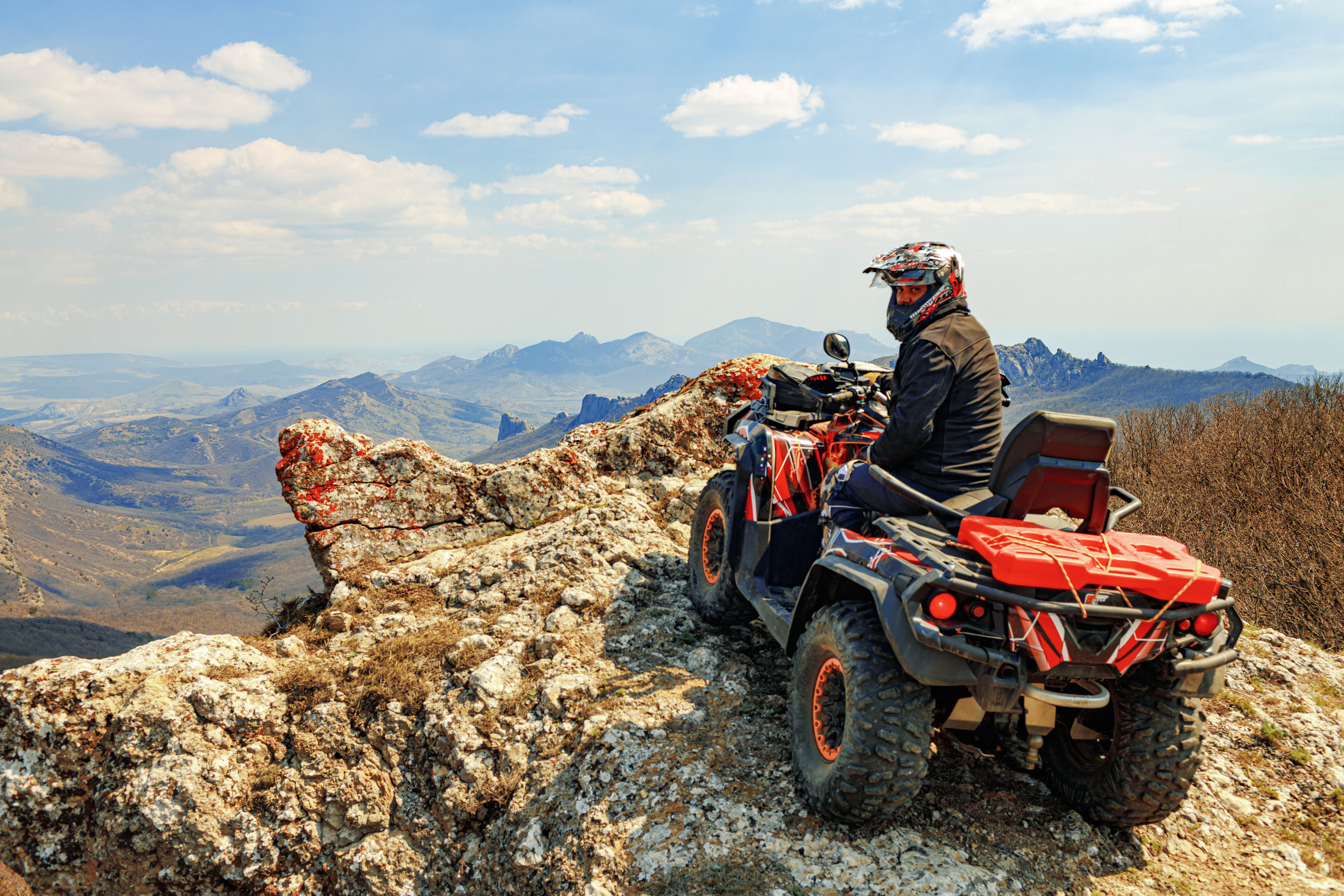
Myth 1: Off-Roading is Only for Thrill Seekers
While off-roading certainly attracts thrill-seekers, it's not exclusively for adrenaline junkies. Many people enjoy off-roading for the scenic views and the opportunity to connect with nature. Whether you are driving through lush forests or vast deserts, the experience can be serene and peaceful.
Off-roading also offers an excellent opportunity for families to bond. Many trails are designed for beginners, making it accessible for all skill levels. This diversity allows for a wide range of experiences, from leisurely drives to more challenging routes.
Myth 2: You Need an Expensive Vehicle
Another common misconception is that off-roading requires a high-end, expensive vehicle. While specialized vehicles like Jeeps and Land Rovers are popular, you don't need to break the bank to enjoy the activity. Many affordable models come equipped with the necessary features for off-roading.

It's more important to ensure your vehicle is properly maintained and equipped with essential gear, such as a good set of tires, recovery equipment, and appropriate suspension. With the right preparation, even a modest vehicle can tackle a variety of terrains.
Myth 3: Off-Roading Damages the Environment
Environmental concerns are valid, but responsible off-roading minimizes impact. Many trails are specifically designated for off-road vehicles, reducing the risk to natural habitats. By sticking to these trails and following the principles of "Leave No Trace," off-roaders can enjoy the outdoors responsibly.
Moreover, organizations and clubs often engage in trail clean-up efforts, helping to preserve the beauty of these natural areas. By educating themselves and others, off-roaders can contribute positively to environmental conservation efforts.

Myth 4: It's Unsafe and Unregulated
Safety is a top priority in the off-roading community. Many off-roaders take extensive measures to ensure a safe experience, such as wearing seat belts, using roll cages, and carrying first aid kits. Additionally, various organizations provide guidelines and training for safe off-roading practices.
Regulations also exist to govern the activity, with many areas requiring permits or adherence to specific rules. By following these guidelines, off-roaders can enjoy their adventures with peace of mind.
Conclusion: Embrace the Adventure
Off-roading is a diverse and accessible activity that offers something for everyone. By debunking these myths, we hope to clear up misconceptions and encourage more people to explore the joys of off-roading. With the right knowledge and preparation, anyone can safely and responsibly enjoy this exciting pastime.